
How Schools Can Expand Without Permanent Construction
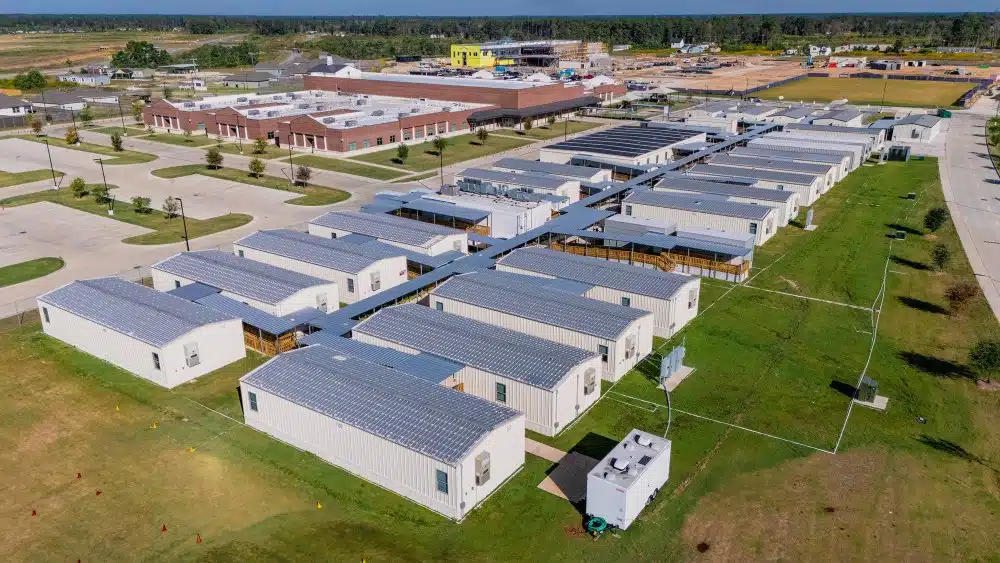
School districts across the country are facing growing pressure on classroom space. Enrollment shifts, aging facilities, and campus renovations can create capacity challenges with little warning, often on tight timelines and fixed budgets.
Permanent construction is often viewed as the long-term solution, but it comes with long timelines, high costs, and limited flexibility. Portable and modular classrooms offer a faster, more adaptable way for schools to expand learning space while keeping long-term facility decisions flexible.
Why Schools Need Flexible Expansion Options
Educational environments rarely stay the same. Enrollment shifts, funding cycles change, and academic priorities evolve year to year. Flexible space options allow districts to respond to these conditions without committing resources to permanent buildings before long-term needs are fully understood.
Common drivers for flexible expansion include:
- Enrollment growth or rezoning
- New academic or specialty programs
- Renovation and modernization projects
- Temporary capacity gaps between planning cycles
By using modular or portable classrooms, schools can add space where it’s needed and for as long as it’s needed.
What Are Portable and Temporary Modular Classrooms?
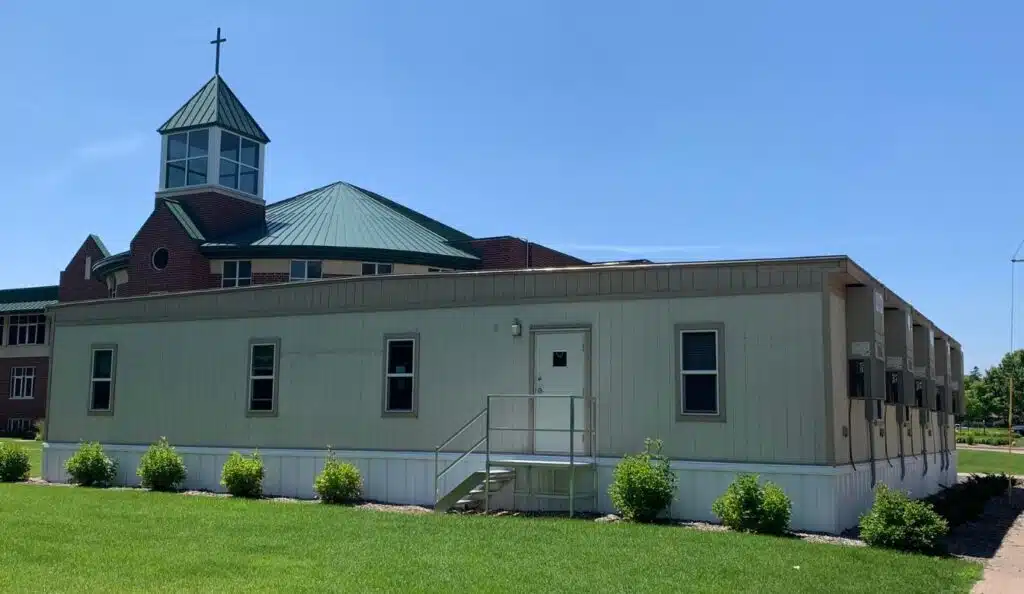
Portable and modular classrooms are purpose-built educational spaces designed to support instruction without the extended timelines associated with traditional construction. While the terms are often used together, they serve slightly different planning needs.
Portable Classrooms
Portable classrooms are learning spaces commonly used in elementary, secondary, and higher education institutions. These units can support standard classroom layouts, technology needs, storage, and accessibility requirements. They are often used for short to medium-term needs such as enrollment surges, renovation support, or pilot programs.
Temporary Modular Classrooms Compared to Traditional Buildings
Temporary modular classrooms differ from traditional construction primarily in how they are built and installed. Permanent buildings typically require lengthy design phases, permitting, and on-site construction. Temporary modular classrooms are constructed off-site and delivered to campus for installation, reducing disruption and shortening the path from planning to occupancy. This approach gives schools the option to reconfigure or relocate space as needs change.
Benefits of Modular School Buildings for Education
Modular school buildings give districts the flexibility to respond to change without sacrificing quality or compliance.
Faster Timelines
One of the biggest advantages of modular school buildings is speed. Schools can move from planning to occupancy in weeks rather than years.
This allows districts to:
- Prepare for the next school year with confidence
- Reduce disruption during renovations
- Respond quickly to unexpected enrollment growth
Adaptability Over Time
Modular buildings are designed to evolve. Districts can add classrooms, adjust layouts, or relocate buildings as attendance zones and campus priorities shift. This flexibility is especially valuable when academic programs are expected to change.
Quality and Compliance Standards
Modern modular classrooms meet applicable building codes and educational requirements. These spaces are designed to support effective instruction with appropriate lighting, climate systems, and functional layouts. Temporary refers to flexibility, not reduced quality.
Understanding Portable Classroom Cost Considerations
Budget planning plays a significant role in any school expansion decision. While exact costs vary based on layout, location, and duration, portable and modular classroom solutions often provide more predictable cost structures than permanent construction.
Comparing Modular Solutions to Permanent Construction
Traditional construction involves lengthy design phases, permitting, material sourcing, and extended on-site labor schedules. Modular classrooms streamline many of these variables through off-site construction and faster installation, helping districts better manage budgets and timelines.
Managing Upfront Investment
Portable and modular classrooms allow schools to address immediate space needs without committing large capital budgets to permanent buildings that may exceed future needs. This approach supports enrollment uncertainty while preserving funding for long-term improvements.
When Temporary Classrooms Are the Right Fit
Temporary classrooms and modular school buildings are particularly effective in situations where timing and flexibility are critical.
For example, a district preparing for a two-year renovation may need classroom space quickly but does not want to invest in permanent construction that exceeds future enrollment projections. Modular classrooms provide flexibility to support instruction now while keeping long-term plans adaptable.
Supporting Renovation and Campus Improvement Projects
During major renovation or upgrade projects, temporary classrooms allow schools to keep students and staff on campus while work is underway. Maintaining familiar routines and locations helps minimize disruption, particularly for younger students and specialized programs.
Responding to Rapid Enrollment Changes
When enrollment grows faster than projected, districts often need additional classroom space with limited lead time. Modular classrooms provide a practical solution to address overcrowding before it affects class size, instructional quality, or staff workload.
How To Plan a Modular Expansion Strategy
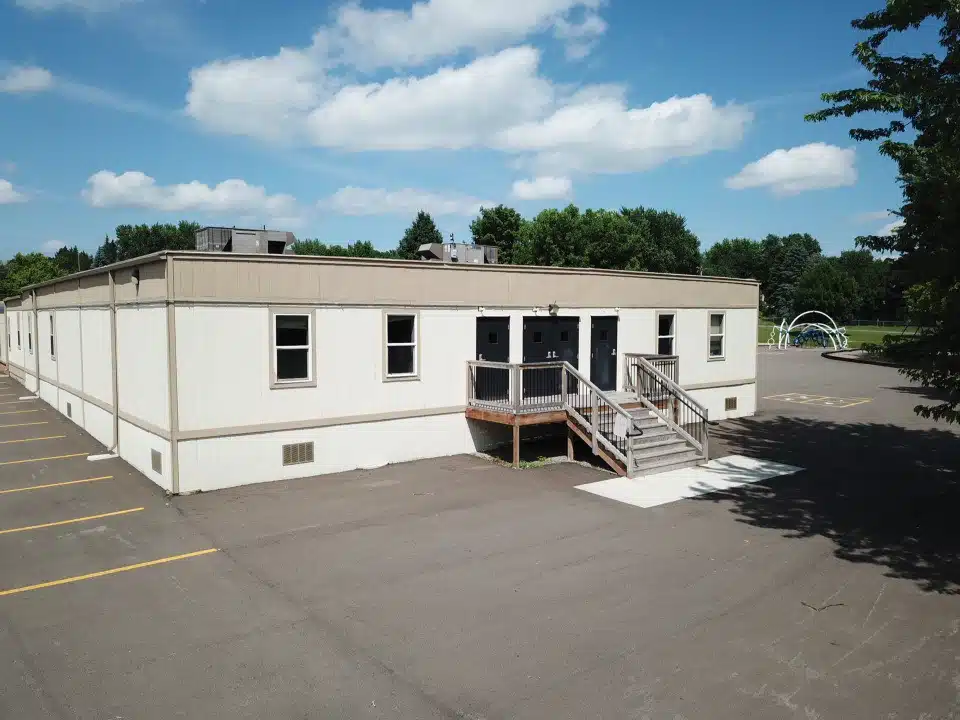
Careful planning helps schools maximize value from modular expansion.
Evaluating Space Requirements
Administrators should review current classroom usage, enrollment trends, and projected growth to determine whether space needs are temporary or ongoing. Academic program requirements, support services, and administrative functions should also be considered to ensure new classrooms align with instructional goals.
Selecting the Right Layout
Effective learning environments depend on more than square footage. Classroom size, accessibility, circulation, restrooms, storage, staff work areas, and technology infrastructure all influence how space functions day to day. Planning these elements early helps ensure modular classrooms integrate seamlessly into campus operations.
Why Schools Choose Satellite Shelters for Modular Solutions
Schools need more than additional classrooms. They need a partner that understands how enrollment cycles, renovation schedules, and long-term facility planning intersect. Satellite Shelters works with school districts to deliver modular classroom solutions that align with enrollment trends, program growth, and campus priorities.
By collaborating early in the planning process, Satellite Shelters helps districts align modular solutions with enrollment forecasts, renovation timelines, and long-term facility strategies.
Flexible Expansion Starts With Satellite Shelters
Expanding classroom space does not have to mean permanent construction. Portable and modular classrooms give schools the ability to respond to change while maintaining flexibility for the future. Request a quote to explore modular classroom options that align with your enrollment forecasts, renovation timelines, and long-term facility strategy.