
What Size Mobile Office Do I Need? Options for Small, Medium, and Large Teams
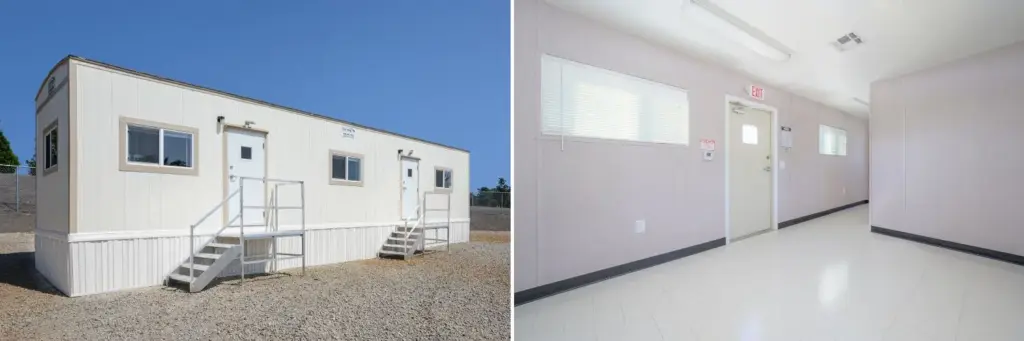
Picking the right mobile office size is one of the most practical decisions you will make before a project gets going.
Too small and your team is cramped, coordination suffers, and you may find yourself requesting a swap mid-project. Too large and you are paying for space you do not need, and placing a unit that takes up more of your site than necessary.
The good news is that mobile offices come in a wide range of sizes, and matching the right unit to your team is straightforward once you know what to look for. This guide breaks it down by team size and use case so you can make a confident call from the start.
Understanding Mobile Office Sizing
Mobile office sizing is typically expressed in width by length, for example, 8×24 or 12×60. Wider and longer units offer more square footage, more layout flexibility, and more room for features like private offices and restrooms.
Just as important as size is how the office will actually be used. Will most people work there full time or stop in throughout the day? Will staff need private offices, shared offices, or open workstations? Will the space be used mainly for focused work, meetings, or a mix of both?
“Once we understand how people move in and out of the office, the right size usually becomes clear,” says Dee J Dunn, Sales Representative with our Dallas Branch. That same insight often drives layout decisions like restroom needs or larger open areas. Thinking through usage early helps avoid guesswork later.
Small Teams: 1 to 3 People
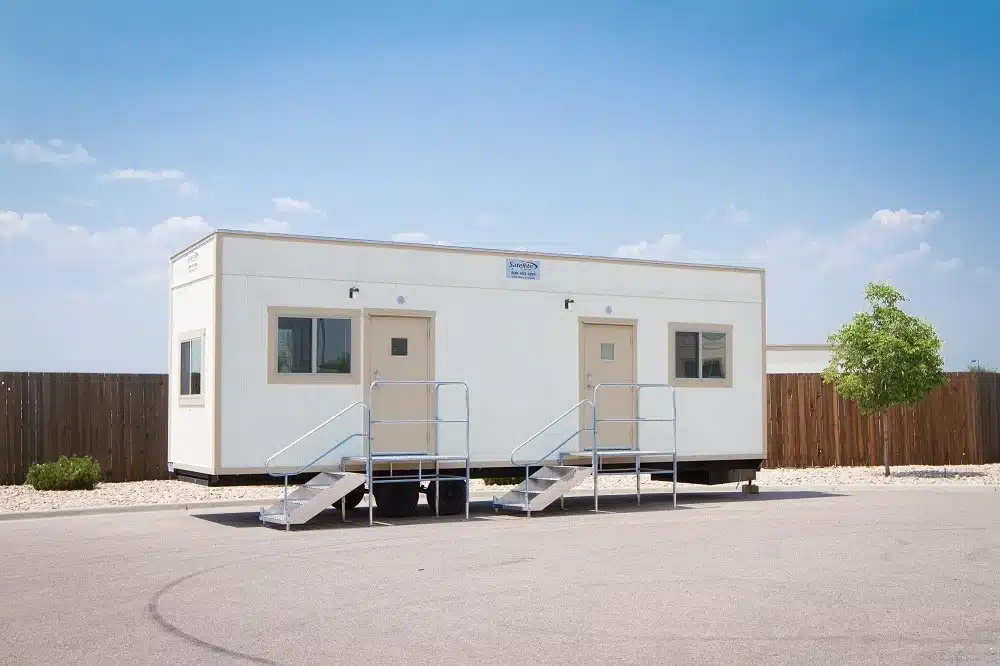
For solo supervisors, site inspectors, or small admin setups, a compact single-wide unit gets the job done without overcomplicating things.
8×24 Mobile Office
The 8×24 is a reliable choice for one or two full-time users and can accommodate three to four people for short meetings. Standard features include electric heat and air conditioning, built-in lighting, paneled interior walls, and vinyl tile floors.
This unit works well for field supervisors who need a secure place to review plans or paperwork. Keep in mind that smaller units typically do not include restrooms and have limited room for plan tables or secondary workstations. If those are priorities, moving up in size can prevent frustration later.
8×36 Mobile Office
If you need more breathing room without significantly increasing your site footprint, the 8×36 is a solid step up. It supports three to four people as a working office and four to six in a meeting setup.
The added private office is useful when one person needs focused space while others share the main area, common on smaller sites where supervisors need privacy but teams can share workspace.
Medium Teams: 4 to 6 People
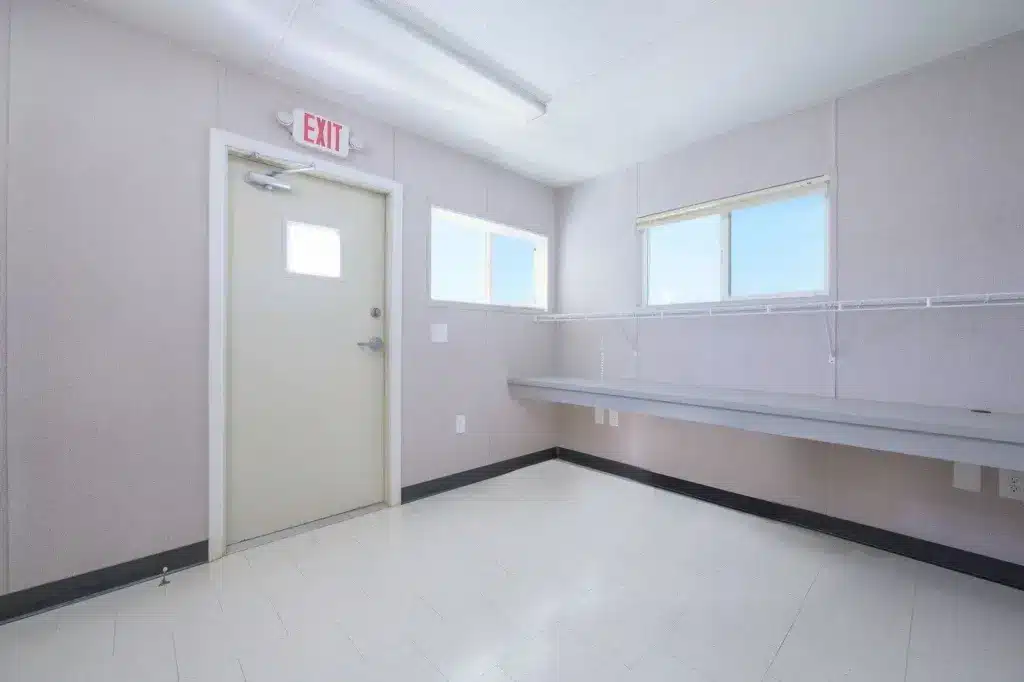
As teams grow, the conversation usually shifts from whether a unit will work to how the space should be laid out. At this stage, designing the interior—private offices, shared space, and meeting areas—becomes just as important as overall size.
10×40 Mobile Office
The 10×40 marks the transition into mid‑size units. It fits 3 to 4 people comfortably as an office and accommodates 6 to 8 for meetings.
A private office is included, with restrooms available as an option, especially useful on longer projects or sites without nearby facilities.
10×50 Mobile Office
With two private offices and an open center layout, the 10×50 is built for coordination‑focused teams. It fits 5 to 6 people working daily and up to 9 in meetings.
This layout works well for project managers who need private space alongside shared workspace for engineers, admin staff, or subcontractor check‑ins.
Large Teams: 7 or More People
Larger teams, multi‑department setups, and long‑duration projects require units that handle higher traffic, multiple workstations, and dedicated meeting space.
At this size, teams are no longer just fitting into a space, they’re intentionally designing a setup that supports daily meetings, private work, and ongoing coordination.
12×60 Mobile Office
The 12×60 supports 6 to 7 daily users and up to 12 people in meetings. It includes two private offices, a large open center area, and a restroom.
This unit works well for active construction sites, coordination‑heavy projects, or teams sharing a centralized office space.
24×60 Mobile Office
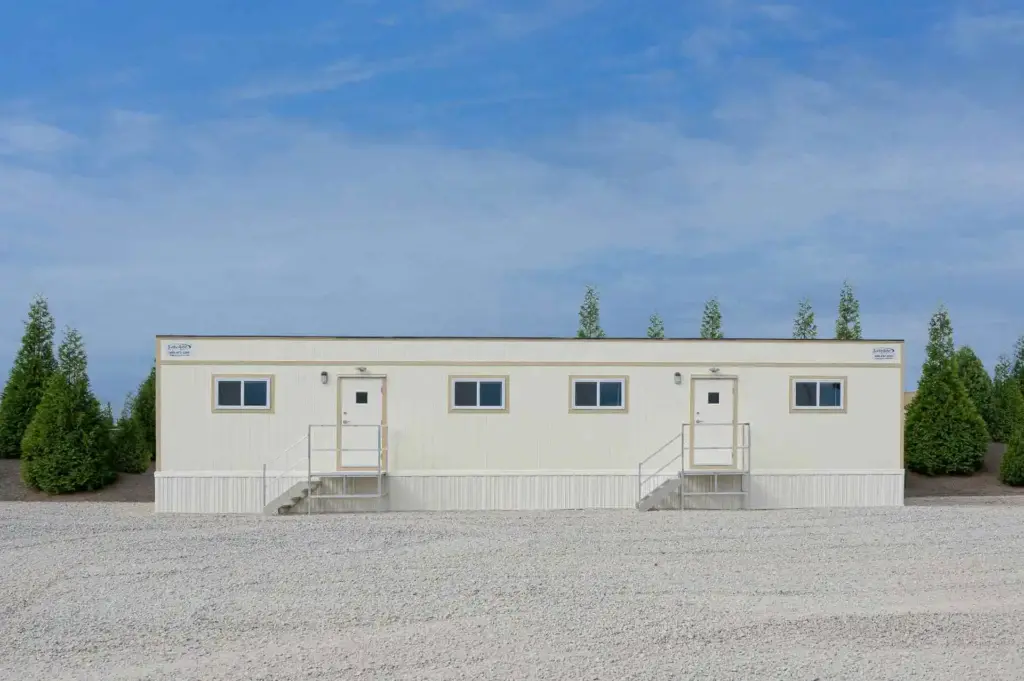
When a job site needs a true command center, the 24×60 delivers. It supports 7 to 10 people working full time and up to 15 for meetings.
While configurations vary, a common layout includes four private offices, two ADA‑compliant restrooms, a coat closet, and a large open work area. This unit is ideal for large GC teams, long‑term projects, or high‑traffic sites.
S-Plex Modular Buildings
Sometimes a standard trailer isn’t enough. S-plex modular buildings combine two or more units into custom layouts that can include multiple offices, ADA compliant restrooms, open work areas, and optional amenities like kitchenettes or coffee bars.
They’re a strong fit for multi department teams, long duration projects, or rapidly growing workforces. In one case, a 16-plex project provided office space for a site supporting 200-300 workers for rapid expansion.
Other Factors To Consider
Team size is the starting point, but a few other variables can influence your final choice.
Private offices
How many people need a private office is often one of the first design questions that changes the conversation. “When we talk through who actually needs their own space versus who can share,” Dee J. explains, “customers start to feel like the office is being designed around their real needs—not a one‑size‑fits‑all layout.”
Restroom access. If your site lacks nearby facilities, units from the 10×40 and up offer restroom options.
Project duration. Short‑term projects can often use existing inventory for faster delivery, while longer projects benefit from added space and layout flexibility.
Site space and access. Wider and longer units require more room for delivery and setup. Make sure your site can accommodate the footprint of the unit you are considering, including clearance for steps and access paths.
Accessibility. If your site requires ADA compliant access, units with ADA restrooms and ramp options are available. Your local Satellite Shelters representative can help identify what is needed for your project.
Add-ons and furniture. Steps, ramps, and ready-to-go furniture packages can be added to any unit to make it functional from day one and simplify setup decisions.
Ground-Level Offices
A simple alternative to traditional mobile offices. These container offices sit directly on the ground, eliminating steps or ramps, and offer a simple solution for smaller or short-term projects.
Find the Right Fit with Satellite Shelters
Satellite Shelters helps customers think through how their team works, not just what size mobile office trailers to order. By discussing layout, traffic flow, and daily use, our representatives help design offices that support projects from day one.
As Dee J puts it, “Once customers design their office, they’re confident they’re making the right choice.”
Browse our available inventory, explore unit layouts in our interactive size guide, or contact your nearest Satellite Shelters branch to get a free quote and talk through what your project needs.