
Planning for Growth? Why Modular Offices are the Right Choice
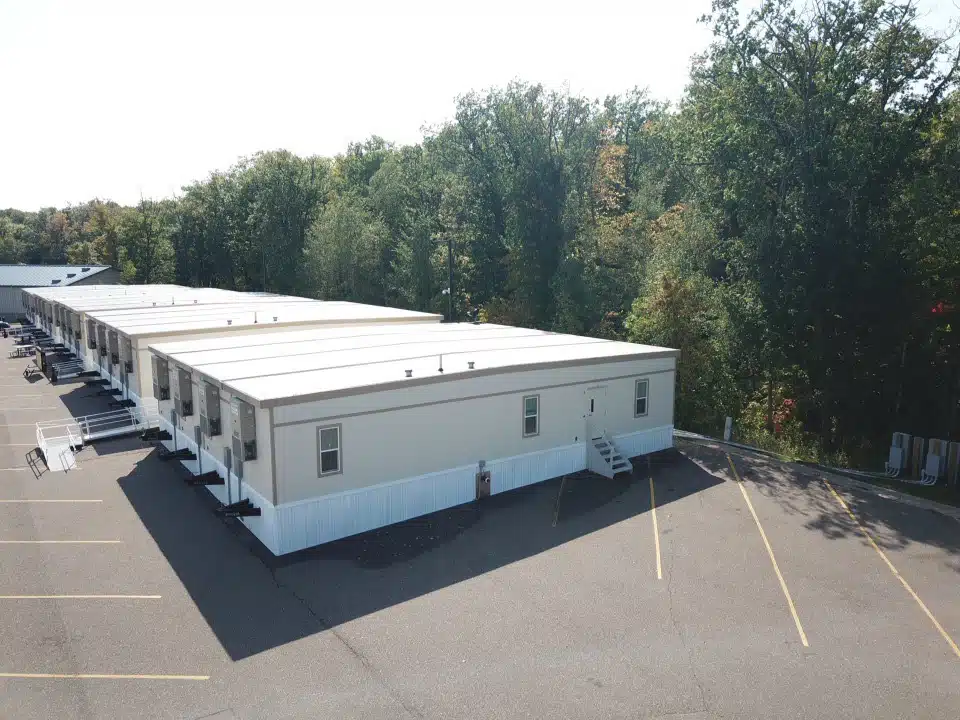
Business growth rarely happens all at once. New hires, expanded teams, and larger projects often arrive in phases, and your space needs to be adaptable. Planning early for additional workspace helps businesses avoid rushed decisions, scheduling conflicts, and costly delays.
Understanding how modular offices fit into that planning process helps growing businesses plan with more confidence. With predictable timelines, flexible layouts, and long-term durability, modular offices provide a reliable path for future expansion
Understanding Modular Office Solutions vs. Mobile Offices
Choosing between modular office buildings and mobile offices depends on how long you need the space and how much growth you expect. Modular office buildings are intended for long-term use and are designed to support future expansion. They support changing layouts, growing teams, and more complex office needs.
Mobile offices serve short-term needs on job sites, but they are not designed for long-term growth or permanent office configurations.
Key Phases of a Modular Office Building Project Timeline
A modular office project follows a structured timeline that helps keep everything on track. During the planning phase, businesses review:
- Current space limitations
- Future hiring plans
- Office layouts and meeting rooms
- Support spaces and storage needs
- Long-term growth expectations
These decisions shape the overall project schedule. Companies choose between standard modular designs and custom layouts, which offer more flexibility but may extend timelines.
Permitting and job site preparation begin alongside design work, with local regulations, inspections, and approvals varying by location.
Factory Production and Lead Times
Once designs are finalized, construction begins in a controlled factory environment. This approach helps improve quality and avoid weather-related delays.
Production timelines vary depending on the size and complexity of the project, so securing a spot in the manufacturing schedule early helps keep everything moving smoothly.
Transportation and Delivery Planning
Delivery timelines depend on site readiness, transportation logistics, and project location. Coordinating delivery with completed site preparation allows installation to proceed without interruption.
Larger projects or multi-unit modular office solutions require accurate scheduling to align transportation, equipment access, and installation crews.
On-Site Setup and Installation
Once the modular office arrives, on-site work begins. Proper preparation before delivery is key to keeping this phase efficient.
Foundation and Utility Connections
Before delivery, the job site must be ready with the correct foundation and utility connections, including power, water, and other required services. Preparing early helps avoid delays and keeps the installation moving.
Final Assembly and Occupancy Readiness
After delivery, units are set in place and connected at the job site. Final steps may include local compliance checks, interior setup, and utility testing. In many cases, teams can move in within days or weeks, depending on the size of the project.
How Seasonality Impacts Modular Office Projects
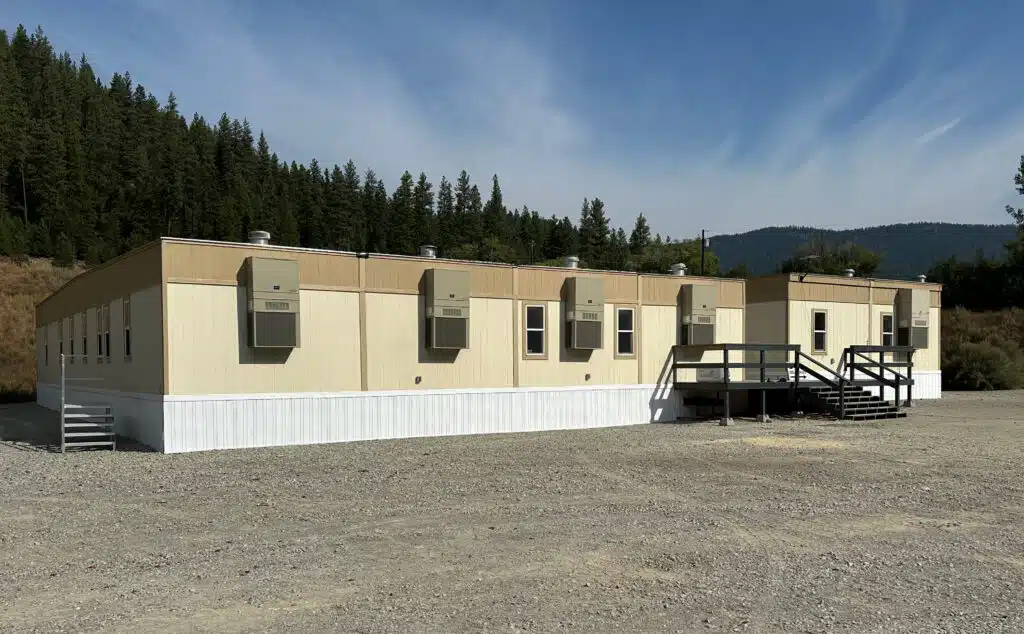
Seasonal conditions and demand cycles can influence scheduling and installation timelines.
Weather Considerations and Regional Differences
Seasonal weather can affect things like job-site preparation, transportation, and installation. Extreme heat, cold, rain, or snow can slow work if it’s not planned for in advance. While modular office buildings are built in factories to reduce weather-related issues, careful scheduling is still important for on-site work.
Peak Demand Periods
Some seasons are busier than others, and production and delivery schedules can fill quickly. Planning early provides more flexibility when choosing delivery and installation dates.
When Should You Start Planning Your Modular Office?
It’s best to start planning your modular office as early as possible so your space is ready when you need it.
For long-term growth, businesses should begin planning several months in advance. A head start helps align the building timeline with hiring and project schedules.
Signs it’s time to act:
- Running out of space
- Planning for large upcoming projects
- An influx of new employees
Why Modular Offices Support Long-Term Growth
Modular office buildings support growth with flexible layouts, predictable timelines, and scalable design. Their controlled construction process and phased installation options allow businesses to plan growth without disrupting daily work.
Plan for Growth with Modular Office Solutions
Find a location near you to start planning your modular office installation today. Contact Satellite Shelters to discuss project timelines, design options, and scalable office solutions built for growth.