
Best Solution for a Mobile Disaster Relief Coordination Center
The Challenge of Coordinating Disaster Response
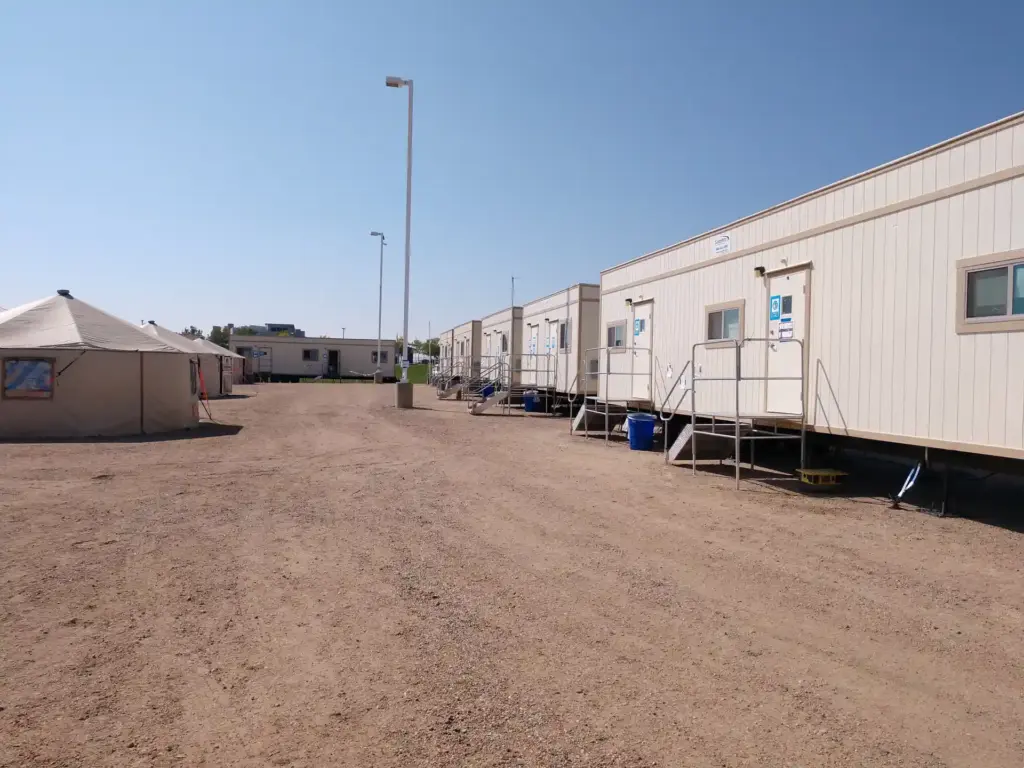
Disasters do not wait for the right building to be available. A wildfire can knock out power to a county operations center. A flood can make the regional office unreachable. A tornado can level the one structure a community planned to run its recovery from. When fixed facilities go down, the response slows at the exact moment speed matters most. Mobile solutions sidestep that risk entirely. They arrive after the event, set up where needed, and keep teams working when permanent buildings cannot. That reliability is why emergency managers, along with local, state, and federal agencies, and NGOs increasingly plan around modular buildings for disaster recovery and preparedness instead of hoping their existing facilities survive.
Why a Mobile Disaster Relief Coordination Center Matters
A coordination center only helps if it is standing and staffed. Mobile units earn their place on four counts:
- Rapid deployment. Units are ready when and where they’re needed, keeping response efforts moving from the start.
- Centralized command and communication. One site brings leadership, dispatch, and data together instead of scattering teams across borrowed rooms.
- Improved coordination. Putting agencies under one roof speeds up decisions that would otherwise bounce between phone trees.
- Scalability. As the mission grows, the footprint grows with it.
The Federal Emergency Management Agency builds its own emergency operations around these same coordination principles, and a mobile center lets you stand that structure up wherever the disaster takes you, anywhere in the country.
A Real Deployment: The Cameron Peak Fire
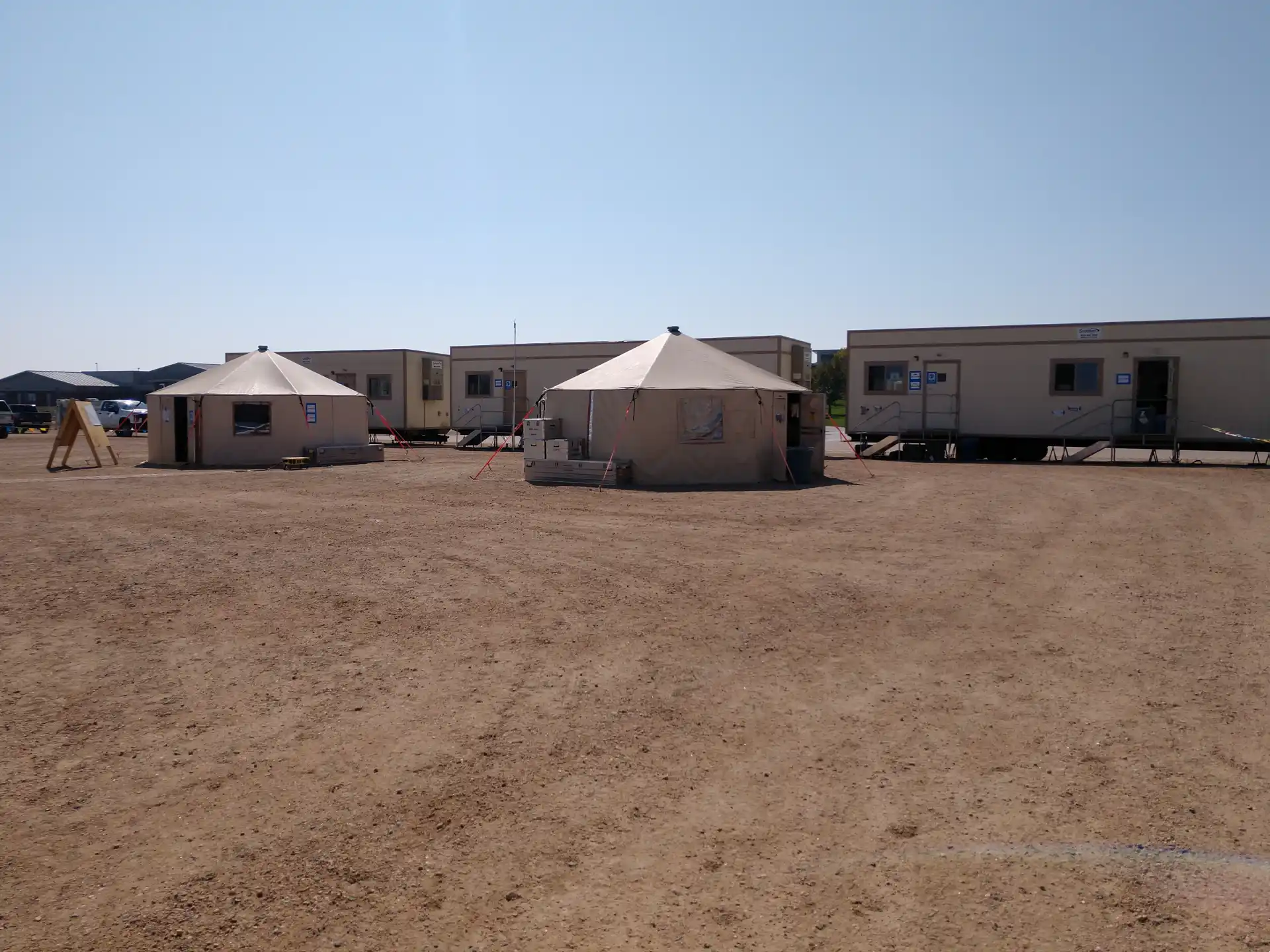
When the Cameron Peak fire became the largest wildfire in Colorado history, burning more than 208,000 acres, Satellite Shelters delivered 21 mobile office units and trailers to the response within 12 hours. The full Cameron Peak fire disaster response case study walks through the logistics behind that turnaround. The lesson for planners is simple: speed comes from working with a supplier with units staged across the United States, not one waiting on a single yard.
What To Look for in a Mobile Disaster Relief Coordination Center
Not every unit is built for crisis work. When you evaluate emergency response mobile offices, weigh five things:
- Durability that holds up to heat, wind, and elements.
- Workspace flexibility to shift between briefing rooms, dispatch, and private space for sensitive calls.
- Security and compliance, including locking systems and secure entry when the public and federal partners are on site.
- Transport options that reach remote staging areas, not just paved lots.
- Capacity to scale so the partner can add space as the operation expands.
Flexible Space Options for Diverse Relief Missions
There is no one-size-fits-all relief center. Two options cover most missions:
- Mobile office units. Towable and quick to place, well suited to forward command posts and short rotations.
- Ground-level offices (GLOs). These step-free, container-based structures sit directly on the ground, so crews can move equipment straight in and every responder can access the space easily.
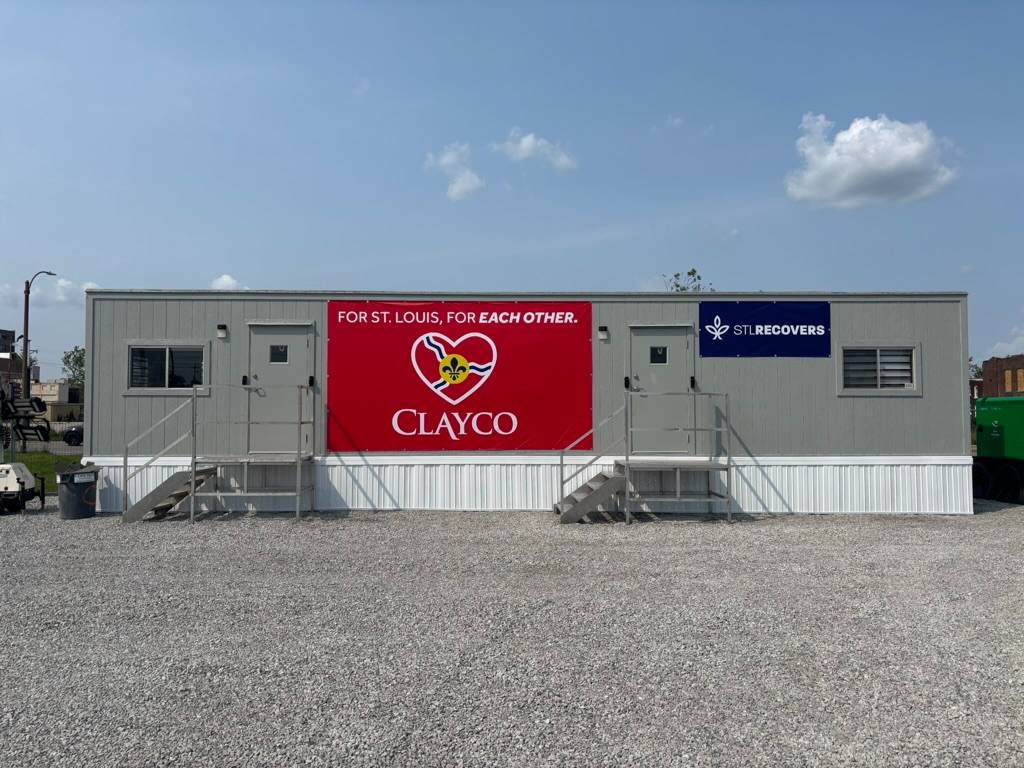
A wind event shows the contrast well. In the Clayco tornado relief deployment, mobile office units and GLOs worked side by side, with the mobile units handling fast-moving command needs while the ground-level offices anchored longer operations. Agencies planning ahead can also utilize temporary modular buildings for disaster relief as part of a standing preparedness plan, so contracts and logistics are settled before the next event.
Get Ready Before the Next Event
Satellite Shelters supports disaster operations nationwide. To plan your coordination center, request a quote, and a local representative will help you scope the right mix of units.