
How to Make Sure Your Modular Building Meets Code in Any State
How Do I Make Sure my Modular Building Meets Code?
The good news is that you don’t need to become an expert in building codes, permitting, or inspections to keep your project moving forward. The key for modular projects is understanding the factors that can impact approval timelines and working with a modular building partner that can help navigate the process.
While requirements vary from state to state and even city to city, a little planning upfront can help avoid delays, unexpected costs, and last-minute changes later.
Why Code Compliance Matters
When people hear “building code compliance,” they often think about paperwork and regulations. In reality, code compliance is about protecting your project timeline. Missing a requirement, overlooking a permit, or discovering an issue after fabrication begins can lead to redesigns, project delays, and additional costs.
Whether you’re planning temporary office space, a permanent modular building, or a classroom, making sure your project meets local requirements helps create a smoother path from planning to occupancy.
Put simply: planning your modular building design ahead of time can help reduce delays, avoid costly changes, and get your building occupied sooner.
Start Planning Early

One of the easiest ways to avoid project delays is to start discussing requirements before fabrication begins. Building requirements can vary based on location, building use, occupancy, site conditions, and local regulations. Addressing these factors early gives project teams more flexibility and can help prevent costly changes later in the project.
While every project is different, starting conversations early about permitting, site preparation, utilities, transportation logistics, and project timelines can help identify potential roadblocks before they become issues.
The earlier these conversations happen, the more smoothly the project tends to move forward.
Work with a Partner Who Understands Local Requirements
Navigating approvals can feel overwhelming, especially for organizations that don’t manage modular construction projects regularly. That’s why choosing an experienced modular building provider matters.
An experienced modular partner can help coordinate requirements, navigate permitting considerations, and identify potential roadblocks before they impact the project timeline.
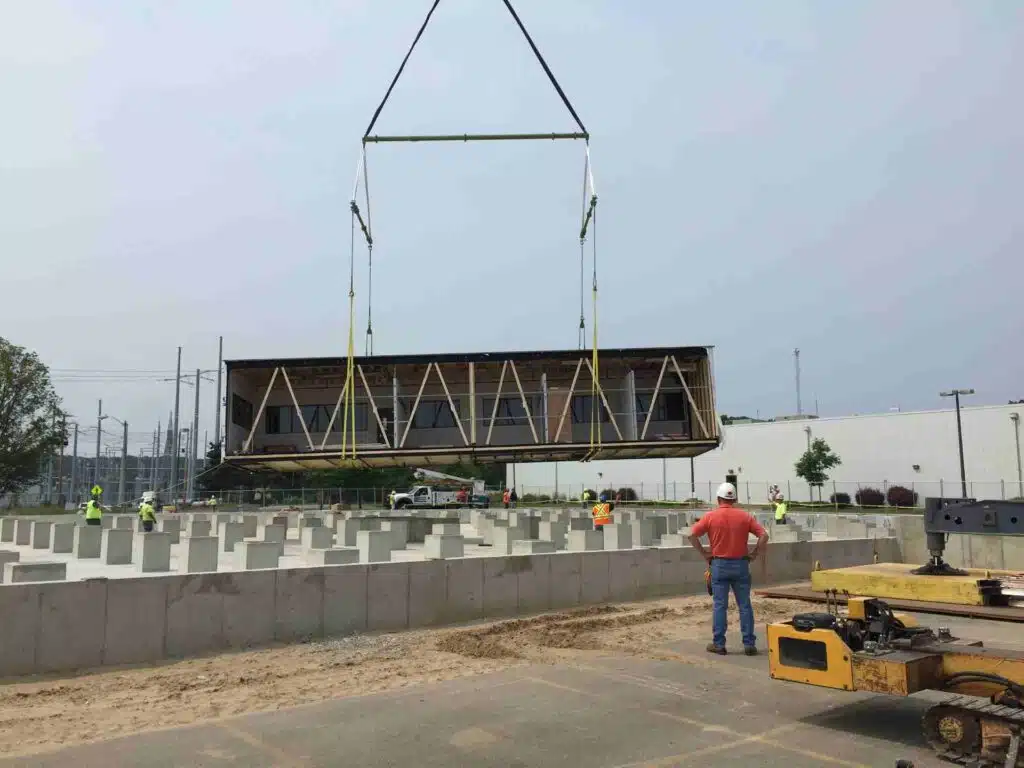
Another advantage of modular construction is that much of the inspection process takes place during manufacturing rather than after the building arrives on-site. In many projects, 80% to 90% of inspections are completed before delivery, helping identify and address potential issues earlier in the process. This can reduce unexpected adjustments during installation and help keep projects on schedule.
Rather than trying to understand every code requirement on your own, you can focus on your project goals while working with a team that understands the steps needed to help move the project forward.
This collaborative approach can save time, reduce confusion, and help avoid common pitfalls that lead to delays.
Don’t Overlook Site Readiness
Even when a modular building is ready for delivery, the project isn’t complete until the site is ready. Site preparation often includes items such as foundations, utility connections, accessibility considerations, and final inspections. Transportation and delivery logistics may also play an important role depending on the project location.
When site work is ready before the building arrives, installation can move forward with fewer interruptions and less risk of project delays.
Taking the time to plan for these items upfront can help avoid scheduling challenges and keep projects on track.
Mistakes that Can Slow Down a Project
Many project delays come down to a handful of avoidable issues. Some examples are:
- Waiting too long to begin the permitting process
- Starting fabrication before key approvals are in place
- Overlooking transportation or delivery logistics
- Delaying site preparation activities
- Failing to involve stakeholders early in the planning process
Fortunately, most of these challenges can be avoided through early planning and communication.
The Value of Working with an Experienced Modular Provider
Every project is unique, and no two jurisdictions handle approvals exactly the same way. That’s why experience matters.
For more than 50 years, Satellite Shelters has helped customers across a wide range of industries find space solutions that fit their needs. From early project planning through delivery and installation, our team works closely with customers to help identify potential challenges, coordinate project requirements, and keep projects moving forward.
The goal isn’t just to provide a building. It’s to help create a smoother project experience from start to finish.
Ready to Move Your Project Forward?
Making sure your modular building meets code doesn’t have to be complicated. With the right planning and the right partner, organizations can navigate approvals more efficiently, avoid unnecessary delays, and stay focused on the success of their project.
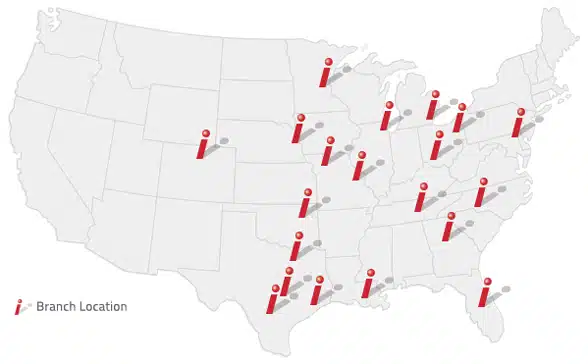
Whether you’re planning temporary space, expanding an existing facility, or exploring modular construction for the first time, Satellite Shelters can help you can help find a solution that fits your timeline, budget, and project requirements. Ready to get started? Visit our FAQ page or contact a Satellite Shelters location near you.