
7 Winterizing Tips for Your Modular and Portable Buildings
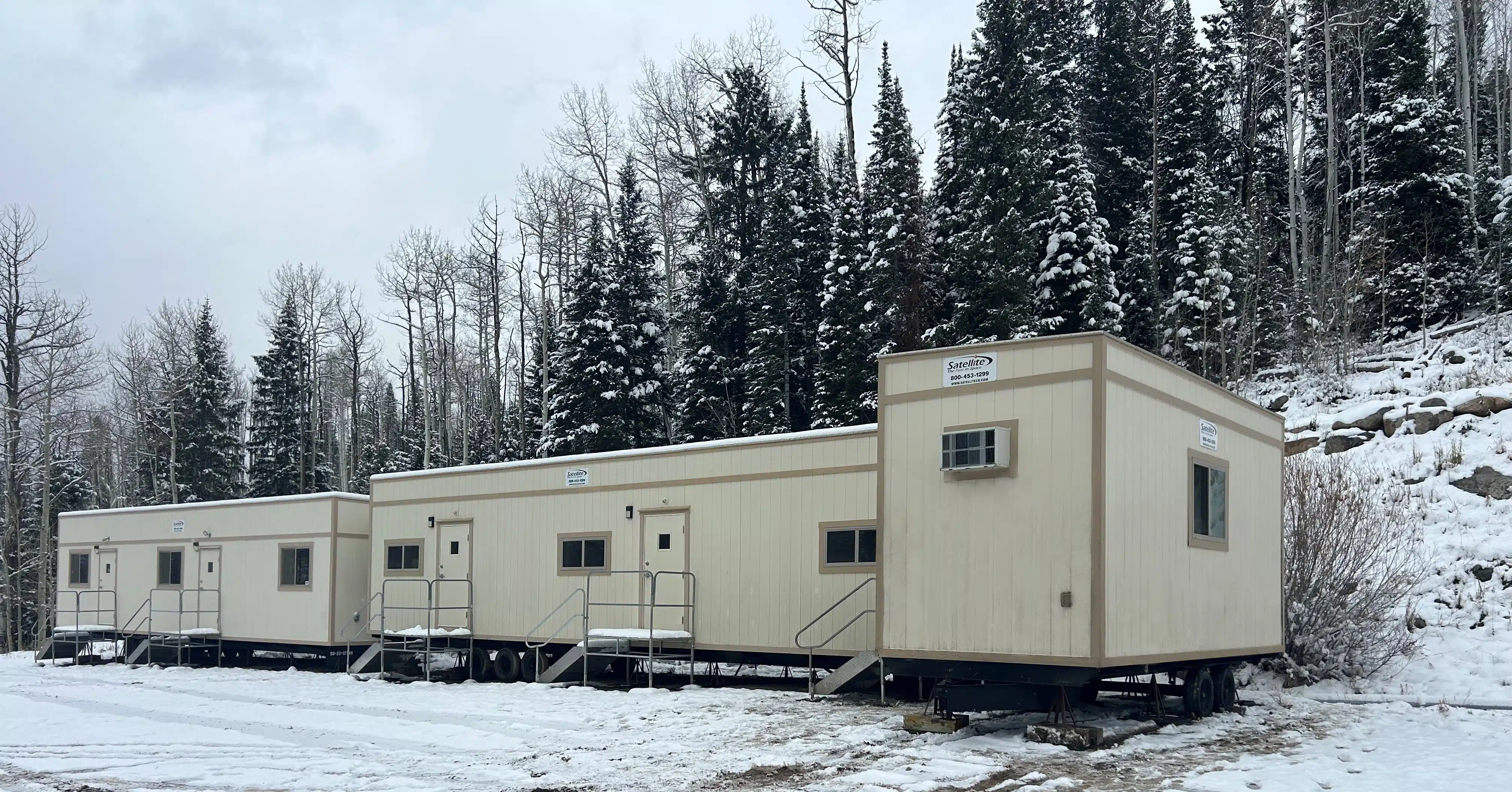
Winter can be harsh for modular and portable buildings. Cold temperatures, snow, ice, and freezing conditions can affect everything from indoor comfort to plumbing and HVAC performance.
Winterizing a modular building starts with a few key areas, including insulation, air leaks, HVAC maintenance, moisture, plumbing, matelines, and exterior maintenance. Whether you rent or own your building, taking a few preventative steps before temperatures drop can help keep your space comfortable and reduce the risk of cold-weather issues.
Follow these seven tips to prepare your modular or portable building before the first freeze.
1. Insulate for Comfort and Energy Efficiency
Proper insulation is an important part of preparing your modular or portable building for winter. Without enough insulation, heat can escape more quickly, leading to drafts, cold spots, and increased energy use.
Insulation creates a thermal barrier that helps maintain a more comfortable indoor temperature throughout the year. Before cold weather arrives, check that your building is properly insulated and look for areas where additional protection may be helpful.
Does a modular building need skirting in winter? Skirting can provide an added layer of protection from cold air beneath the building. Satellite Shelters also offers Polar Insulated Skirting for additional cold-weather protection
2. Seal Air Leaks To Keep the Chill Out
Air leaks allow cold air into your modular or portable building while letting heated air escape, making it harder to maintain a comfortable indoor temperature.
How can you keep cold air out of a mobile office? Start by checking exterior doors and windows for noticeable drafts, gaps, or seals that aren’t closing properly. Make sure doors and windows close completely and address damaged seals or other issues before temperatures drop.
Taking care of these areas can help keep warm air inside and improve overall comfort during the winter.
As you check for drafts and seal air leaks, keep our winterization checklist (PDF) handy to help organize the rest of your cold-weather preparations.
3. Keep Your HVAC Systems Properly Serviced for a Warm Space
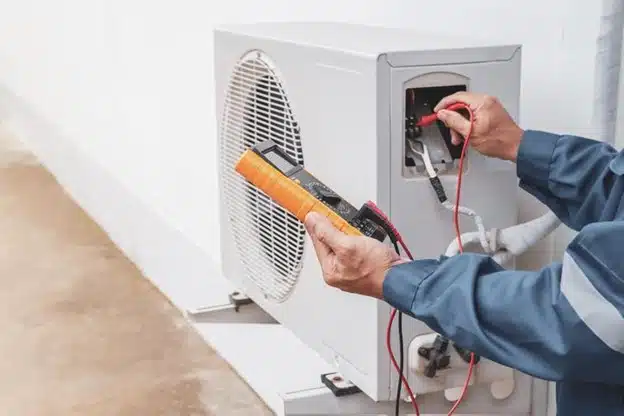
Your HVAC system plays an important role in keeping your modular or portable building comfortable during cold weather. Regular maintenance can also help you catch potential issues before you need the heat the most.
Before winter:
- Check the HVAC filter and replace it when needed
- Clean coils and grilles
- Test the heat
- Make sure the thermostat is working properly
Not sure how to replace your HVAC filter? Satellite Shelters has an instructional video showing how to change the HVAC filter in a mobile office. You can also contact your nearest Satellite Shelters branch with questions about your building’s HVAC system.
4. Manage Moisture and Condensation
Excess moisture and condensation can create problems for modular and portable buildings during the winter. Finding and addressing the source of moisture is important before freezing temperatures arrive.
What should you look for? Check for leaks around plumbing and the mateline, and look for dried water spots on ceilings, floors, and walls. These can be signs of previous leaks or moisture issues that should be addressed.
Proper insulation and ventilation can also help manage condensation and maintain a more comfortable indoor environment.
5. Check Your Mateline
If you have a multi-section modular building, your mateline is another area worth checking before winter.
What is a mateline on a modular building? In a multi-section modular building, the mateline is where the individual building sections are joined together.
Check along the floor and ceiling for settling, unevenness, or signs of leaks. If something doesn’t look right, contact your modular building provider to determine whether the building should be inspected or re-leveled.
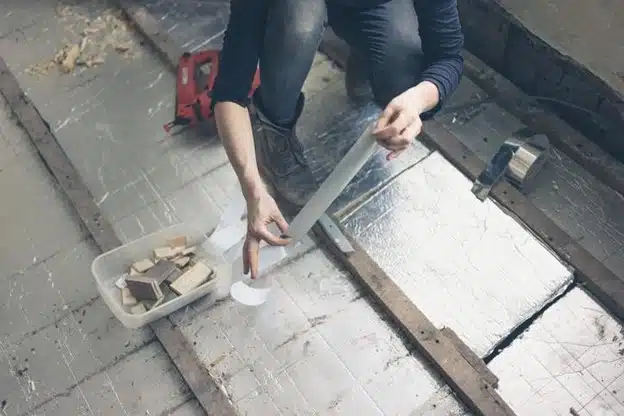
6. Help Protect Water and Plumbing Systems From Freezing
Frozen plumbing can quickly turn into a bigger problem. Before temperatures drop, take time to check exposed pipes and plumbing, particularly in areas that aren’t heated.
How do you help keep pipes from freezing in a modular building? Insulating exposed pipes and limiting areas where cold air can reach plumbing can help reduce the risk of freezing.
Heat tape may also be used on plumbing components where appropriate. If your water is delivered on a regular schedule, check with your water supply service about any additional cold-weather preparations.
If you’re unsure what your building needs, reach out to your modular building provider before making changes to the plumbing system.
7. Exterior Maintenance and Landscaping for Winter-Ready Structures
Winter preparation shouldn’t stop inside your building. Snow, ice, drainage, and changing weather conditions can also affect the area surrounding your modular or portable building.
Keep entrances and access areas clear of snow and ice, and use proper snow removal practices around the building. Maintaining good drainage can also help prevent water from pooling around the structure and freezing as temperatures drop.
Continue monitoring the exterior throughout the winter, especially after heavy snowfall or periods of melting and refreezing.
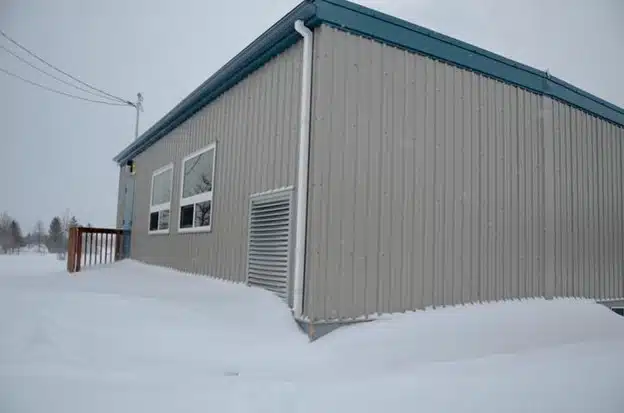
For Winterizing Help, Satellite Shelters Is Here
Preparing your modular or portable building before temperatures drop can help prevent cold-weather problems and keep your space comfortable throughout the winter.
Not sure what your building needs? Contact your nearest Satellite Shelters branch. Our local team can answer questions about your building and help determine which winterization services or products may be right for your site.