
Pros and Cons of Modular Construction for Your Downtown Business
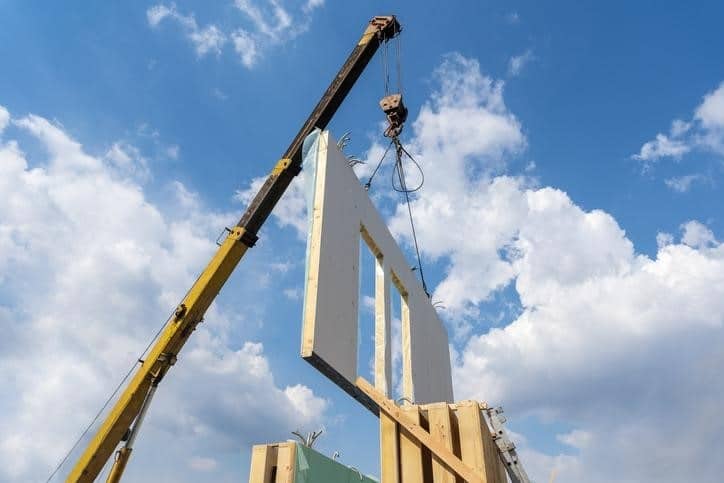
As construction costs continuously rise in many cities throughout the United States, business owners and general contractors are looking for ways to reduce costs and get back to work. Traditional “stick-built” construction is more widely known, but it’s not the only construction method available. Modular construction can be a faster and more cost-effective option. Whichever you choose, it’s important to know what method of construction aligns with the goals of your business. So, how do you know which option fits your business the best?
Satellite Shelters can help you determine the best course of action for construction. Our branch offices service most major U.S. cities, and our local experts can help you determine what type of construction makes sense for your downtown business.
Traditional Construction
Traditional construction follows a linear, step-by-step process. A crew lays the foundation, raises walls, builds the roof, completes the interior, and works through any punch-list items before finishing the building. Each phase must be completed before the next one begins. If one step is delayed, everything behind it gets pushed back too.
In urban settings, that process creates friction for surrounding communities. Streets and sidewalks near job sites can be blocked for months, disrupting foot traffic, commuters, and neighboring businesses. Noise, dust, and ongoing site activity become part of the neighborhood’s daily reality for the duration of the project.
Pros of Traditional Construction
- Familiarity. Traditional, or stick-built, construction has been around for centuries and is the go-to for many owners. But as modular construction continues to advance and become more prevalent, it’s hard to argue against the benefits.
- Flexibility. One of the limitations with modular construction is the height of modules when being transported. Because modules are transported via truck, modular construction is limited with how tall the units can be for transport purposes. Traditional construction doesn’t have this limitation.
Cons of Traditional Construction
- Weather/seasonal conditions. The traditional construction process is more susceptible to the elements during development. Any sort of inclement weather can slow or even halt construction completely.
- Time. With its rigid step-by-step process, development and surprise costs can slow or stop construction progress on traditional construction sites. Delays caused by crews waiting around for materials to be delivered or inclement weather to pass are costly.
- Cost. Projected costs can easily fluctuate on any construction project. However, with time and weather delays, traditional construction costs can be greatly affected—often-times exceeding original budgets.
Traditional construction certainly has a long history of success, but companies need additional space faster, especially in the age of social distancing. Traditional construction’s linear process may not be quick enough to keep up with this change. The space for traditional construction in large cities is also becoming smaller, making both design and logistics difficult. If your business is considering traditional construction, you should weigh the pros and cons compared to modular construction.
Modular Construction
In the modular construction process, structures are built in pre-constructed parts. While the construction crew lays the foundation at the job site, skilled craftspeople construct the building in sections called “modules” in a factory-controlled environment. These modules are then shipped to the job site to be put together as soon as the foundation is set.
Module delivery may require specialized equipment; however, disruptions to normal traffic flow only last up to a few days versus several months with traditional construction. As soon as the modules are delivered, communities can regain street and sidewalk access immediately.
Pros of Modular Construction
- Faster delivery. Parallel construction can reduce overall project timelines by a significant margin, getting you into your space and back to business sooner.
- Consistent quality. Factory environments offer controlled conditions, less material waste, and more precise craftsmanship than open-air job sites.
- Adaptable over time. Modular buildings can be relocated, expanded, or reconfigured as your needs change. In urban settings where expanding out is not an option, modular construction can support multi-story applications as well.
- Less community disruption. Shorter on-site construction windows mean less noise, less blocked access, and fewer headaches for the surrounding area.
Cons of Modular Construction
- Less familiarity. Some owners and lenders are less familiar with the modular process. Satellite’s Design/Build team can help walk your team and financial contacts through what to expect.
- Transport logistics. Module delivery does require planning, especially on constrained urban sites. Cranes and specialized equipment are sometimes needed, though this is a manageable part of the process for an experienced provider.
- Financing navigation. Some banks may be less versed in modular construction lending. Working with a knowledgeable local representative can help smooth that conversation.
Contact Satellite to Learn if Modular Construction Is Right for You
Both methods have a place depending on the scope, timeline, and constraints of your project. For urban projects where speed, limited site disruption, and cost predictability are priorities, modular construction is worth a serious look.
Satellite Shelters has local branch offices across the country with teams that understand your market, your permitting environment, and the logistics of working in dense urban areas. Whether you need a compact building for a tight footprint or a larger campus-style solution, we can help you find the right path forward.
Contact your local Satellite Shelters branch to get a free quote and talk through your options with someone who knows your area.