
Construction Office Trailers for Remote & Highway Sites
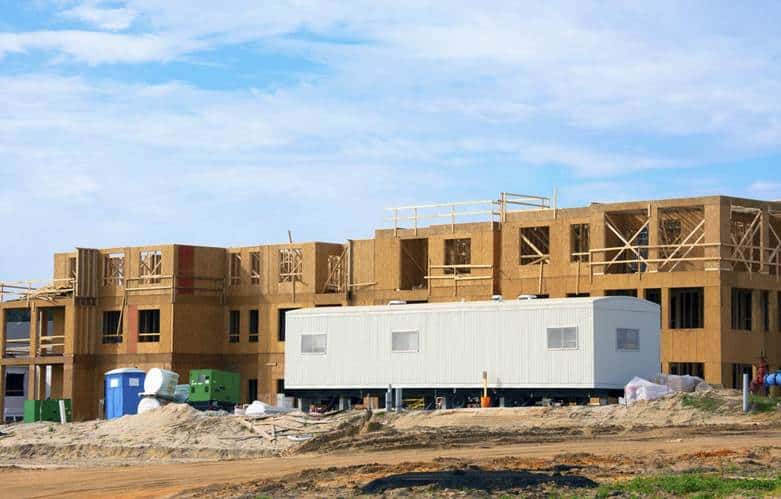
Picture a bridge replacement forty miles from the nearest field office, or a highway-widening corridor that creeps a half-mile down the road every week. There is no lobby, no break room, and no dry place to spread out a full set of plans. The wind does not care about the schedule, and neither does the afternoon downpour. On sites like these, the office is whatever the crew brings with them. That is exactly the gap construction office trailers are built to fill, giving crews a reliable, on-site workspace to manage the job from start to finish.
Why Highway & Remote Job Sites Require On-Site Offices
Distance is the first challenge. When a job site sits an hour from headquarters, no one is driving back to pull a permit copy or take a call in a quiet room. Coordination is the second. Inspectors, subcontractors, and the project manager need a single place to meet, review drawings, and make decisions on the spot. The work, itself, keeps moving. A highway project is not anchored to one address; the active zone shifts as crews finish one stretch and start the next. A construction trailer travels with the work, which a permanent office never could.
Fast Delivery Keeps Infrastructure Projects on Schedule
Infrastructure timelines run on lane closures, weather windows, and funding milestones, and every one of them is unforgiving. A workspace that takes weeks to arrange is a workspace that delays the job.
Satellite Shelters delivers mobile office trailers quickly, so supervisors have a functioning base from day one instead of running the first phase out of a truck cab. Federal-aid road projects also lean on careful work zone planning and project coordination, and an on-site office gives that coordination a home instead of a parking spot. This is especially important for DOT projects, utility work, and long corridor builds where crews need a consistent base as work progresses.
Features That Matter for Site Supervisors
A trailer is only useful if it fits how the day actually runs. The details supervisors notice are:
- Climate-controlled space that stays workable through summer heat and winter cold.
- Layouts designed for plan reviews, with space to lay out drawings and gather a crew.
- Secure storage for documents, devices, and equipment when the site is empty.
- Power and connectivity ready for the software and communication modern job sites depend on.
Temporary Office Trailers vs. Other Options
The alternatives tend to fall apart under real conditions. Running a project from a pickup truck means no space to meet, no climate control, and nowhere to secure paperwork. Borrowing a corner of a nearby business, where one even exists, leaves the team scattered and dependent on someone else’s hours. A dedicated trailer gives the crew temporary office space that belongs to the project. For a closer look at how the formats compare, see ground-level offices and mobile office trailers, including when a ground-level office is the better fit for heavy equipment access.
Engineered for Phased Infrastructure Projects
Infrastructure work rarely happens all at once. It moves in phases along corridors, mile by mile, with the active zone relocating as the project advances. Satellite Shelters supports that reality across the United States, helping crews reposition workspace as the work shifts down the line so the office is always where the action is. Long, multi-season builds benefit from the same thinking, which is why it is worth understanding why ground-level offices are ideal for busy construction seasons when planning a phased schedule.
Ready to set up your remote job site? Request a quote and a local representative will help match the right construction office trailers to your job site, timeline, and layout.